
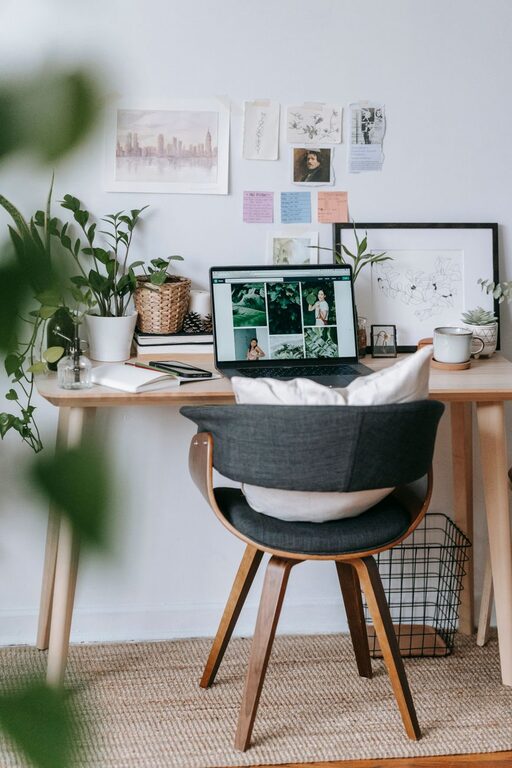
Creating a home office that is both cozy and productive can make a significant difference in your daily work experience. Whether you’re working full-time from home or just need a dedicated spot for occasional tasks, having a space that feels inviting yet focused is key. Here are some practical tips to help you set up a home office that promotes comfort, organization, and efficiency.
Choose the Right Location
The first step in creating a productive home office is selecting the right spot. Ideally, this space should be:
– Quiet and Free from Distractions: Avoid areas with heavy household traffic or noise, such as the kitchen or living room.
– Well-Lit: Natural light is best for reducing eye strain and boosting mood. Position your desk near a window if possible.
– Large Enough for Your Needs: Ensure you have enough space for your desk, chair, and any additional equipment like filing cabinets or bookshelves.
If a separate room isn’t available, consider using room dividers or screens to create boundaries within a shared space.
Invest in Comfortable and Functional Furniture
Your furniture plays a significant role in your comfort and productivity. Focus on:
– Ergonomic Chair: Choose a chair that supports your posture with adjustable height and lumbar support.
– Spacious Desk: Pick a desk that fits your work essentials without feeling cramped. Consider adjustable desks if you want the option to stand.
– Storage Solutions: Use shelves, drawers, or filing cabinets to keep your workspace tidy and organized.
Comfortable furniture reduces fatigue and physical strain, making it easier to focus on your tasks.
Optimize Lighting
Good lighting is essential for maintaining energy and preventing eye strain.
– Maximize Natural Light: Position your workspace near windows.
– Layered Lighting: Use a combination of ambient, task, and accent lighting to create a balanced environment. A desk lamp with adjustable brightness can be helpful for focused tasks.
– Avoid Glare: Arrange your monitor to minimize glare from windows or overhead lights.
Consider daylight bulbs that mimic natural light if you work during darker hours.
Personalize Your Space
Adding personal touches makes your office space more inviting and motivating.
– Decorate with Plants: Indoor plants improve air quality and add a calming natural element.
– Artwork and Photos: Hang pictures, artwork, or inspirational quotes that uplift your mood.
– Color Choices: Choose colors that promote concentration and calmness, such as soft blues, greens, or neutrals.
A personalized space can increase your sense of ownership and enjoyment while working.
Keep Your Space Organized
Clutter can distract and stress you, so organization is vital.
– Declutter Regularly: Remove unnecessary items from your desk and workspace.
– Use Containers and Organizers: Keep pens, papers, and other supplies neatly stored.
– Cable Management: Use clips or ties to keep cords untangled and out of sight.
An orderly environment helps you find what you need quickly and maintain focus.
Establish Boundaries and Rituals
Helping your brain switch into work mode is easier when you have clear boundaries.
– Set Work Hours: Keep consistent start and stop times to separate work from personal life.
– Create a Routine: Begin your workday with a ritual such as making coffee or reviewing your to-do list.
– Limit Distractions: Inform others in your household when you are working and consider noise-canceling headphones.
Boundaries and routines support mental clarity and productivity.
Incorporate Technology Wisely
Having the right tools and technology is essential but should be balanced with simplicity.
– Reliable Equipment: Invest in a good computer, monitor, keyboard, and mouse.
– Fast Internet Connection: Ensure your internet speed can handle your work needs.
– Useful Apps: Use calendars, task managers, and communication tools that streamline your workflow.
Avoid overcrowding your space with gadgets that you don’t regularly use.
Take Breaks and Move
Even the most efficient workspace won’t help if you don’t listen to your body.
– Schedule Breaks: Step away from your desk every hour.
– Stretch or Walk: Physical activity can reduce stress and refresh your mind.
– Create a Relaxation Spot: If possible, have a nearby chair or nook where you can take short breaks.
Movement helps maintain energy and reduces discomfort from sitting too long.
—
By thoughtfully combining comfort and functionality, you can create a home office that feels cozy and supports productivity. Remember that your ideal workspace reflects your personal needs and preferences, so don’t hesitate to adjust and improve your setup over time. The goal is to have a space where you enjoy working and accomplish your best every day.