
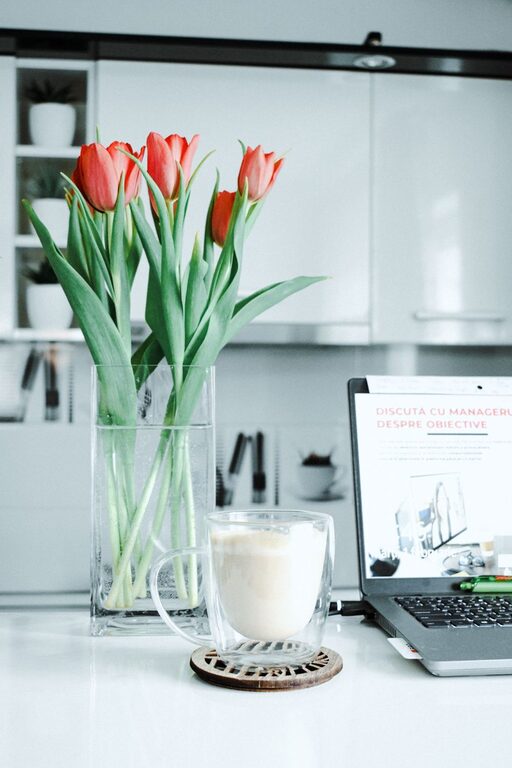
Working from home has become a norm for many, offering flexibility and comfort. However, without a dedicated, relaxing workspace, it can be challenging to maintain productivity and focus. Creating a workspace that feels calm and inviting not only helps reduce stress but also boosts your efficiency. In this post, we’ll explore practical tips to design a relaxing home workspace that supports your best work.
Why a Relaxing Workspace Matters
A cluttered or uncomfortable workspace can lead to distractions, stress, and decreased motivation. Conversely, a well-organized and calming environment can:
– Enhance concentration
– Reduce anxiety
– Encourage a positive mindset
– Improve overall work quality
Taking the time to design a space that is both functional and relaxing is an investment in your well-being and productivity.
Choosing the Right Location
Find a Quiet Spot
Select a part of your home that is quiet and away from heavy foot traffic or loud appliances. This helps minimize interruptions and noise distractions.
Maximize Natural Light
Natural light boosts mood and energy levels. Position your desk near a window if possible. If natural light is limited, use daylight-balanced bulbs to mimic the effect.
Consider Privacy
Having a dedicated area that signals “work mode” can help mentally separate work from home life. Use room dividers or create boundaries if space is shared.
Ergonomic and Comfortable Furniture
Invest in a Good Chair
Comfort is key to staying focused for long periods. Choose an ergonomic chair with adjustable height and lumbar support.
Use a Suitable Desk
Pick a desk that fits your needs. Standing desks or adjustable desks allow you to switch positions, which can prevent fatigue.
Maintain Proper Posture
Arrange your monitor at eye level and keep your keyboard and mouse within comfortable reach. This reduces strain on your neck, shoulders, and wrists.
Declutter and Organize
Keep Essentials Handy
Limit items on your desk to what you use regularly. Pens, notebooks, and devices should be easy to reach but not overcrowd your space.
Use Storage Solutions
Drawers, shelves, or storage boxes can keep papers and supplies sorted and out of sight, preserving a neat appearance.
Regularly Tidy Up
Set aside a few minutes at the end of each day to clear your workspace. A tidy area is less distracting and more inviting.
Add Calming Elements
Incorporate Plants
Indoor plants improve air quality and add a touch of nature, which can be calming and uplifting.
Choose Soothing Colors
Paint or decorate your workspace in soft, neutral tones like light blue, green, or beige to promote relaxation.
Use Minimal Decorations
Add a few personal touches like photos or artwork, but avoid cluttering the space with too many items.
Control Noise and Light
Use Noise-Cancelling Options
Headphones or white noise machines can help block out distracting sounds and create a focused atmosphere.
Adjust Lighting
Avoid harsh overhead lights. Use desk lamps with adjustable brightness to reduce eye strain.
Manage Screen Glare
Position your screen to avoid reflections and glare from windows or lighting, which can cause discomfort.
Incorporate Break-Friendly Features
Comfortable Seating Nearby
Having a cozy chair or small couch in your workspace encourages regular breaks, which can refresh your mind.
Hydration and Snacks Station
Keep water and healthy snacks within easy reach. Staying hydrated and nourished supports concentration and energy levels.
Movement Reminders
Use apps or timers to encourage regular movement, stretching, or brief walks. This helps prevent stiffness and improves circulation.
Set Boundaries and Establish Routine
Define Work Hours
Even in a relaxed workspace, having set start and end times helps maintain balance and avoid burnout.
Create Visual Cues
A specific workspace signals when it’s time to focus and when to relax, helping your brain switch modes.
Communicate With Household Members
Let others know your schedule to minimize interruptions during work time.
Final Thoughts
Creating a relaxing home workspace is about combining comfort, functionality, and personal touches that promote calm and focus. By thoughtfully designing your environment, you set yourself up for improved productivity and a more enjoyable workday. Remember, small changes like organizing your desk, adding plants, or improving lighting can make a significant difference.
Take time to experiment and adjust your workspace until it feels like your personal productivity oasis. Your work and well-being will thank you!